Best Dive Sites in Malibu: Rustic Coast Diving
Trade the LA crowds for rugged coastline, healthy kelp forests, and the feeling of real California diving
DiveLine Team
2025-12-21
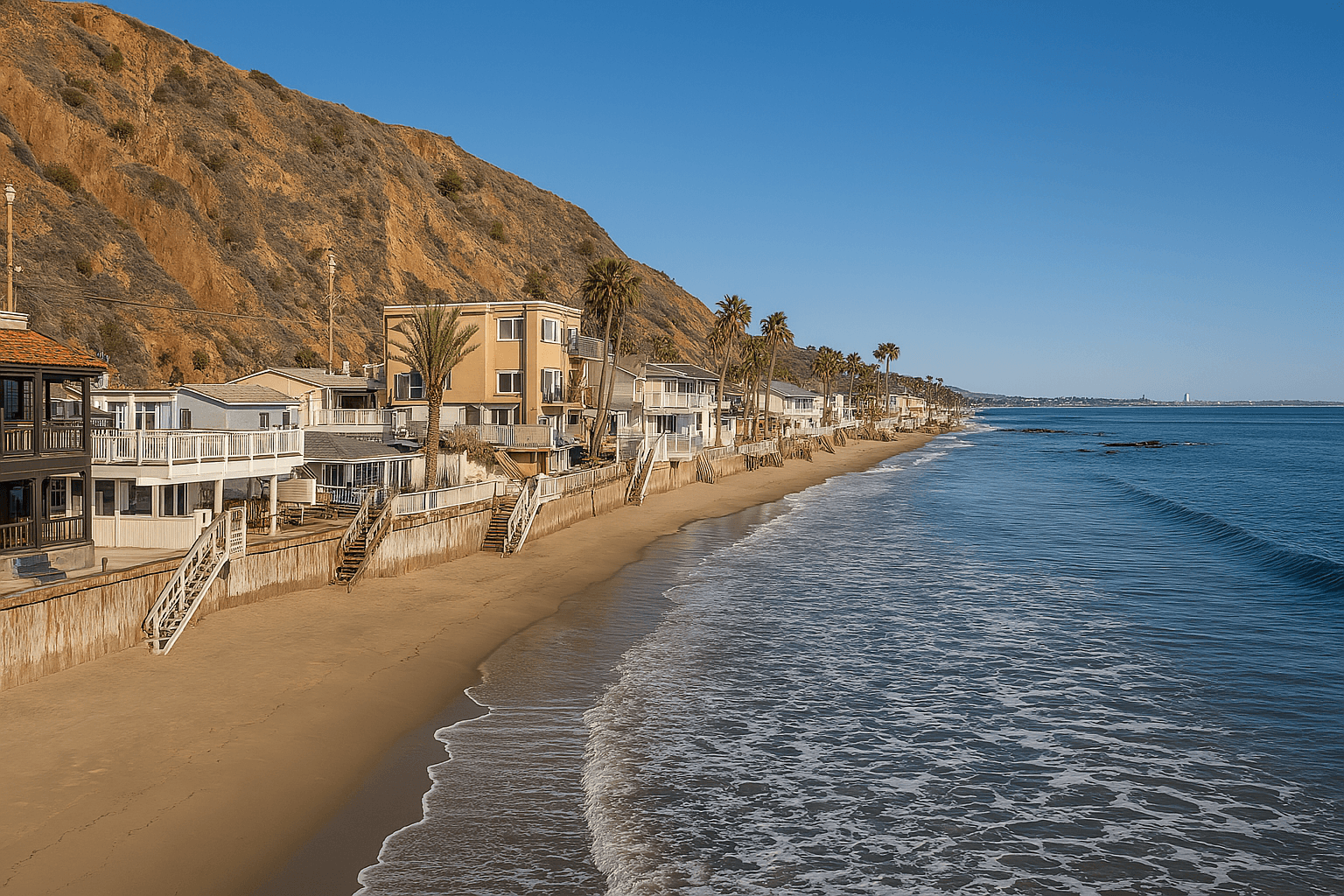
Diving the Malibu Coast
Head north on PCH from Santa Monica and the coastline transforms. The urban sprawl gives way to rugged cliffs, empty beaches, and some of LA County's best diving. Malibu sites are less developed than their South Bay counterparts – you won't find dive shops or easy parking – but the payoff is healthier reefs, fewer divers, and that feeling of getting away from the city.
Best time to dive: Fall and winter (September-February) when conditions are calmest. Summer south swells and afternoon winds can make entries challenging. Early morning offers the best conditions year-round.
Pro tip: Check conditions on DiveLine's Malibu page for real-time visibility, swell, and wind forecasts. Malibu sites are exposed – swell direction matters.
1. Leo Carrillo State Beach
- Difficulty: Intermediate
- Type: Shore dive (sandy entry)
- Depth: 25-50 feet
- Visibility: Typically 15-30 feet
Leo Carrillo is Malibu's most popular dive site, and for good reason. The state park offers the full package: accessible kelp forests, interesting swim-throughs, excellent facilities, and that quintessential Southern California diving experience. Large rocky reefs create a maze of channels, overhangs, and caves to explore.
Entry is from a sandy beach, but moderate surf is common. Watch a few sets before gearing up and time your entry. The state park has restrooms, showers, and even a camp store – unusual for Malibu sites. Arrive early on summer weekends; the parking lot ($12) fills by mid-morning. Garibaldi, kelp bass, and lobster (in season) are common sightings.
2. Point Dume
- Difficulty: Advanced
- Type: Shore dive (challenging entry)
- Depth: 35-70 feet
- Visibility: Typically 15-25 feet
Point Dume offers Malibu's most dramatic underwater terrain – steep rock walls, pinnacles, and impressive vertical relief. This is the site for divers who want adventure and are willing to work for it. The payoff is some of the best diving in LA County.
Getting there is the challenge: a hike down deep sand dunes to a beach where entry can be hazardous during swells. This is not a site for beginners or days with any significant surf. Check conditions carefully and be honest about your skills. On the right day, you'll see why locals keep coming back – larger pelagics patrol the point, the kelp is pristine, and you might have the site to yourself.
3. Nicholas Canyon
- Difficulty: Intermediate
- Type: Shore dive (beach entry)
- Depth: 30-60 feet
- Visibility: Typically 10-20 feet
Nicholas Canyon (locals call it "Zeros" after the old surfboard shop nearby) offers extensive rocky reefs and kelp with typically less crowds than Leo Carrillo. Large boulders create interesting swim-throughs, and the sandy channels between reef sections are good hunting grounds for halibut and bat rays.
Parking is in a county lot with a path down to the beach. The shore break can be strong during tide changes – time your entry and exit carefully. This is excellent nudibranch territory; bring a macro lens and look carefully in the crevices. Facilities are basic (portable restrooms in the lot).
4. Corral Canyon
- Difficulty: Intermediate
- Type: Shore dive (beach entry)
- Depth: 25-55 feet
- Visibility: Typically 10-20 feet
Corral Canyon is Malibu's hidden gem – less visited than the state beach sites, with healthy kelp and the kind of solitude that's hard to find in LA County. Octopuses and lobster hide in the rocky terrain, and the reduced pressure from divers means marine life is less skittish.
The tradeoff: no facilities, parking on the PCH shoulder (arrive early), and surf that can be unpredictable. This isn't a "check off the list" dive – it's for divers who know how to read conditions and want a more authentic experience. Come prepared with everything you need.
Planning Your Malibu Dives
Malibu diving requires more planning than South Bay sites. Most spots have limited or no facilities, entries can be challenging, and conditions are more variable. That said, the quality of diving is generally higher – healthier kelp, more marine life, fewer divers.
- Swell direction matters: South swells blast the coast; wait for west or northwest
- Get there early: Parking is limited; arrive by 8am on weekends
- Come prepared: Only Leo Carrillo has real facilities; bring water, food, shade
- Watch the surf: Study wave sets before gearing up; know when to call it
- Thermal protection: 7mm wetsuit minimum; drysuit in winter
Malibu is where LA divers go when they want to feel like they've left the city behind. The drive up PCH is part of the experience – just you, the ocean, and some of the best California kelp forest diving within an hour of downtown.
Ready to dive? Check current conditions for all Malibu sites on DiveLine's Malibu page.