Best Dive Sites in San Luis Obispo: Central Coast Secrets
Rugged coastline, cold upwelling, sea otters, and some of the most pristine marine ecosystems in California
DiveLine Team
2025-12-21
Diving the Central Coast
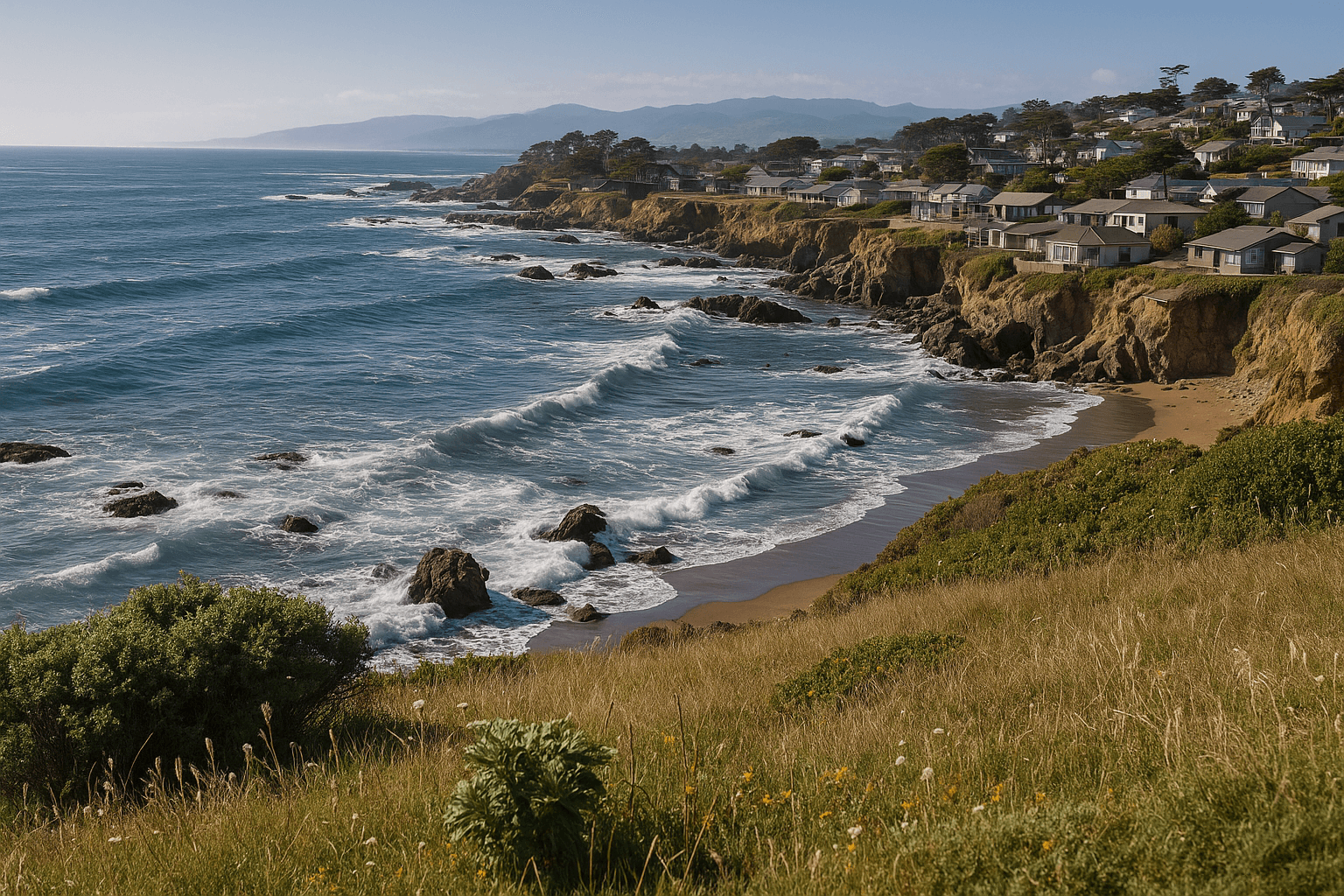
The San Luis Obispo coast sits in a transition zone where Southern California's warmer waters meet the cold, nutrient-rich upwelling of the Central Coast. The result is exceptional marine biodiversity – dense kelp forests, abundant invertebrate life, and one of California's healthiest sea otter populations. This is rugged, authentic California diving for those willing to deal with cold water and challenging conditions.
Best time to dive: Late summer through fall (August-October) offers the best visibility and calmest conditions. The coast is exposed to powerful northwest swells in winter, making diving sporadic. Spring can be good between storm systems.
Pro tip: Check conditions on DiveLine's San Luis Obispo page for real-time visibility, swell, and wind forecasts. This coast is exposed – conditions change quickly.
1. Morro Rock
- Difficulty: Advanced
- Type: Shore dive (rocky entry)
- Depth: 35-60 feet
- Visibility: Typically 15-25 feet
Diving at the base of Morro Rock – one of the Nine Sisters volcanic plugs that dot the coast – is a dramatic experience. This ancient 23-million-year-old volcanic neck rises 576 feet above the water, and underwater, steep walls and massive boulders create an equally impressive landscape covered in colorful anemones, nudibranchs, and encrusting life.
What sets Morro Rock apart: sea otters. They're everywhere, rafted up in the kelp, cracking urchins on their bellies, completely unbothered by divers. Maintain your distance (they're protected marine mammals), but you'll likely surface near one more than once. Entry is challenging – rocky terrain, surge, and currents require experience and careful timing. Check conditions carefully; this is an advanced site that demands respect.
2. Port San Luis
- Difficulty: Intermediate
- Type: Shore dive (beach entry)
- Depth: 25-45 feet
- Visibility: Typically 10-20 feet
When Morro Rock is too rough, Port San Luis offers a protected alternative. The historic pier (built in 1897) and surrounding artificial structures create a concentrated ecosystem in an otherwise sandy environment. Pier pilings are encrusted with anemones, and rockfish, lingcod, and perch shelter in the structure.
The beach entry is straightforward compared to other Central Coast sites. Harbor seals are common, and the protected location means diveable conditions on days when exposed sites are blown out. Facilities in the town of Avila Beach (a 5-minute drive) include restaurants, restrooms, and parking. This is a good site for divers new to the Central Coast who want to experience the marine life without the challenging entries.
Central Coast Considerations
The Central Coast is not Southern California – conditions are more challenging, water is colder, and the marine environment is different. But for divers willing to adapt, the rewards are exceptional: healthier ecosystems, unique species, and a wilder experience.
- Cold water: 50-58°F year-round; drysuit strongly recommended, 7mm wetsuit minimum
- Exposed coastline: Northwest swells dominate; calm days are precious – dive them
- Sea otters: They're everywhere and protected; maintain 50+ feet distance
- White sharks: Present in the region; attacks are extremely rare but awareness matters
- Limited infrastructure: Fewer dive shops than SoCal; come prepared with gear and fills
The Central Coast is also a gateway to more remote diving – Piedras Blancas to the north (famous for its elephant seal colony) and the Channel Islands to the south are within day-trip range for the adventurous. San Luis Obispo makes an excellent base for a Central California dive road trip.
Ready to dive? Check current conditions for all San Luis Obispo sites on DiveLine's San Luis Obispo page.