Best Dive Sites in Kauai, Hawaii: A Diver's Guide
From lava tube caverns to the forbidden island of Niihau, the Garden Isle offers intimate Hawaiian diving away from the crowds
DiveLine Team
2025-12-07
The Best Dive Sites in Kauai
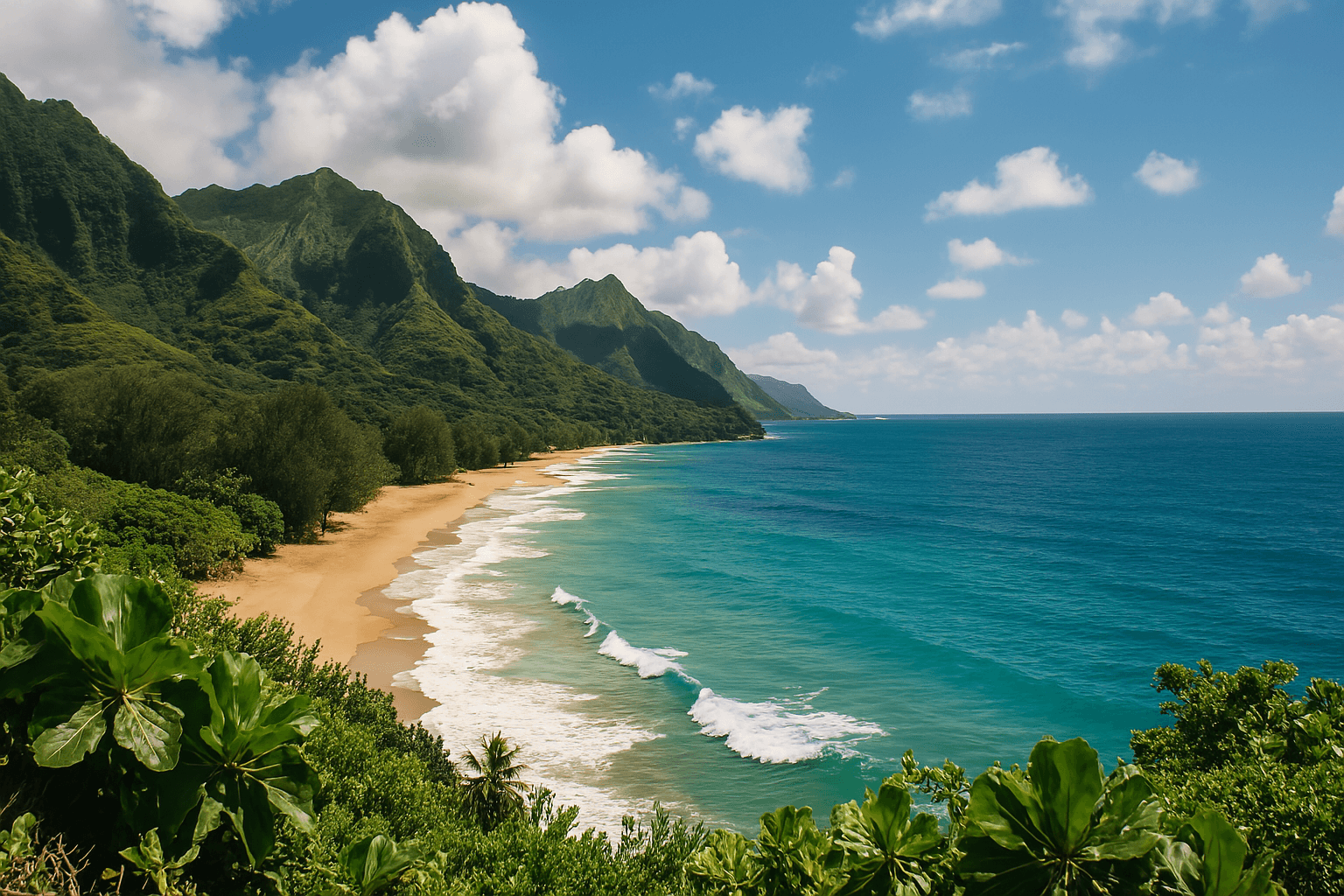
Kauai is Hawaii's oldest inhabited island, and its diving reflects that maturity – established reefs, dramatic lava formations, and a slower pace than Maui or Oahu. The Garden Isle sees fewer tourists than its neighbors, which translates to uncrowded dive sites and a more authentic island experience. Most diving centers on the sunny south shore around Poipu, while adventurous divers can venture to the remote Lehua Crater off forbidden Niihau.
Best time to dive: Year-round on the south shore around Poipu. Summer (May-September) opens up north shore sites. Winter swells from the north can be massive, making south shore sites the only option December through February. Water is warm (75-80°F) year-round.
Pro tip: Check conditions on DiveLine's Kauai page for real-time visibility, swell, and wind forecasts before planning your dives.
1. Sheraton Caverns
- Difficulty: Intermediate
- Type: Shore dive (boat access preferred)
- Depth: 35-55 feet
- Visibility: Typically 50 feet
Sheraton Caverns is Kauai's signature dive – a series of interconnected lava tubes and caverns in 40-50 feet of water off Poipu Beach. Swim-throughs large enough for comfortable navigation lead to chambers where shafts of sunlight pierce the darkness in dramatic effect. It's the kind of site underwater photographers dream about.
The caverns shelter sleeping whitetip reef sharks, large lobsters, and morays tucked into crevices. Turtles rest on the reef above, unbothered by divers. Night dives here are exceptional – sleeping fish, hunting octopuses, and the caverns take on an entirely different character. Most operators run boat trips to the site; shore entry from the Sheraton Kauai Resort is possible but less common.
2. Koloa Landing
- Difficulty: Beginner
- Type: Shore dive
- Depth: 25-40 feet
- Visibility: Typically 50 feet
Koloa Landing is Kauai's most accessible shore dive and one of the best beginner sites in Hawaii. A natural boat ramp from the old sugarcane shipping days provides a gentle entry into calm, protected water. The reef starts immediately – no long surface swim required.
Turtles are the star attraction, often resting on the reef within minutes of entry. The coral is healthy and diverse, hosting typical Hawaiian reef fish – yellow tangs, moorish idols, triggerfish, and the occasional eagle ray cruising past. The small parking lot fills early, especially on weekends – arrive by 8am to guarantee a spot. This is the site for your first Hawaiian dive or a relaxed afternoon in the water.
3. Lehua Crater (Niihau)
- Difficulty: Intermediate-Advanced
- Type: Boat dive (day trip)
- Depth: 60-100 feet
- Visibility: Typically 70-100+ feet
Lehua Crater is one of Hawaii's most remote and pristine dive destinations. This crescent-shaped volcanic crater rises from the ocean off Niihau – the privately-owned "Forbidden Island" where only native Hawaiians can live and tourists cannot visit. But the surrounding waters are public, and dive operators run day trips from Kauai's Port Allen harbor.
The 17-mile crossing can be rough, but the payoff is extraordinary: visibility often exceeds 100 feet, spinner dolphins escort the boat, and monk seals (Hawaii's most endangered marine mammal) are regularly spotted. Underwater, vertical walls drop into blue water, arches and swim-throughs penetrate the volcanic rock, and the marine life is dense and unafraid of divers. Hawaiian lobster, endemic fish species, and the occasional Galapagos shark patrol the blue. This is bucket-list diving.
Booking note: Niihau trips depend entirely on weather and sea conditions. Operators cancel frequently – sometimes for days in a row. Book at the beginning of your trip and be flexible. Some operators offer money-back guarantees for weather cancellations.
Planning Your Kauai Dives
Kauai has a smaller dive scene than Maui or the Big Island, which can be a positive – less crowded boats, more personalized attention, and the feeling that you're discovering sites rather than following a tourist conveyor belt. Most operators are based in Poipu on the south shore or Port Allen on the west side (departure point for Niihau trips).
- Shore diving: Koloa Landing is the go-to; easy access, calm conditions, turtles
- Niihau trips: Book early in your trip to allow for weather rescheduling
- Thermal protection: 3mm wetsuit or shorty is plenty; some dive in just a rash guard
- Fewer crowds: Kauai sees less dive tourism than other islands – enjoy it
- South shore focus: Most reliable diving year-round; north shore only in summer
Kauai may have fewer dive sites than Maui or the Big Island, but what it offers is quality over quantity. Sheraton Caverns is a world-class lava tube dive, Koloa Landing is one of Hawaii's best shore dives, and Lehua Crater is a bucket-list experience you'll remember forever.
Ready to dive? Check current conditions for all Kauai sites on DiveLine's Kauai page.