Best Dive Sites in Big Island, Hawaii: A Diver's Guide
From world-famous manta ray night dives to pristine lava formations, the Kona coast delivers bucket-list experiences
DiveLine Team
2025-12-01
The Best Dive Sites in Big Island
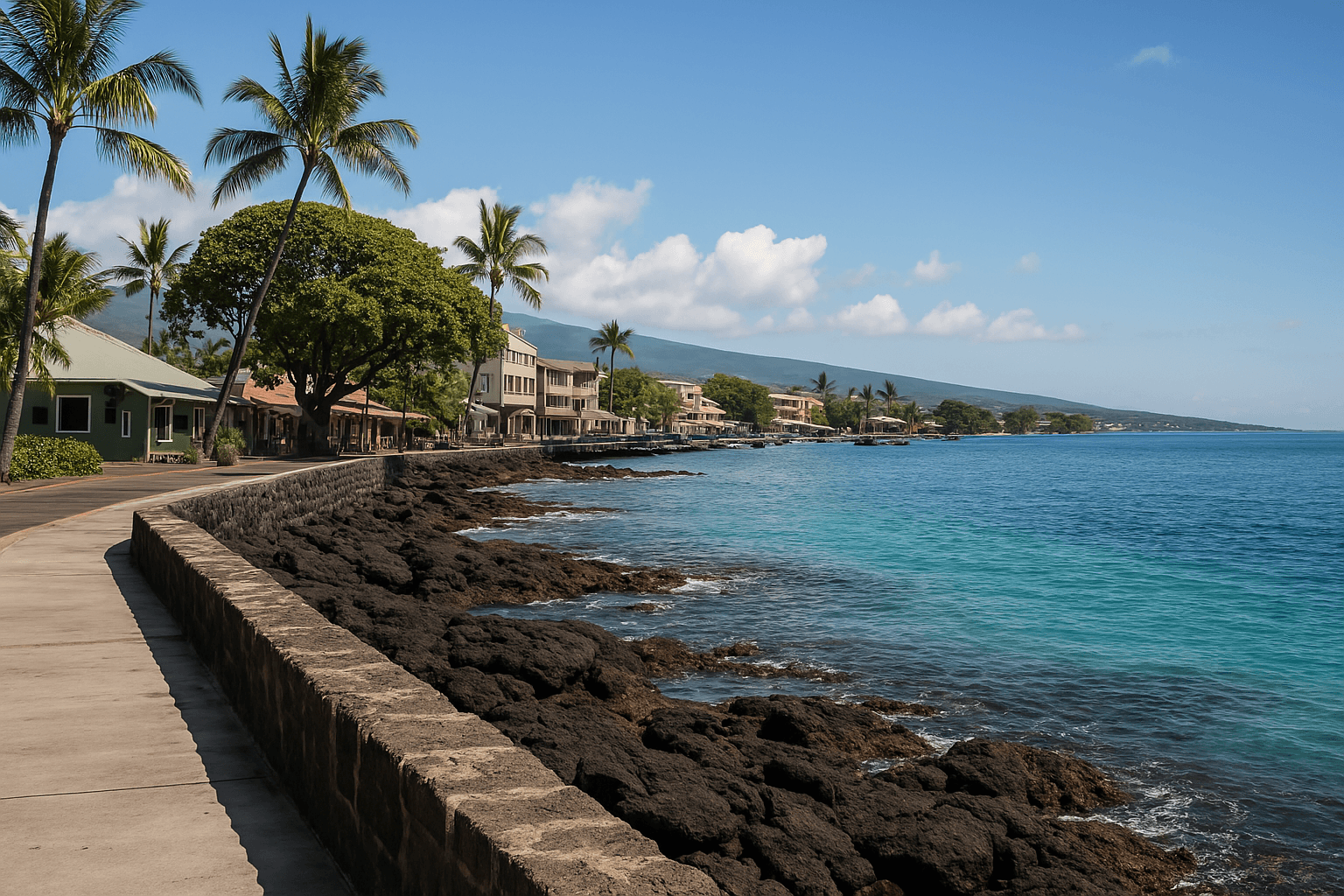
The Big Island offers diving unlike anywhere else on Earth. The Kona coast's young volcanic geology creates dramatic underwater landscapes – lava tubes, arches, and caverns that plunge into crystalline blue water with 100+ foot visibility. Add the world's most reliable manta ray encounters and you have a destination that belongs on every diver's bucket list.
Best time to dive: Year-round. The Kona coast is protected from trade wind swells by the massive bulk of Mauna Kea and Mauna Loa, making it diveable 350+ days a year. Water temperatures stay warm (75-82°F), so a 3mm wetsuit or even a rash guard is all you need.
Pro tip: Check conditions on DiveLine's Big Island page for real-time visibility, swell, and wind forecasts before heading out.
1. Manta Village (Garden Eel Cove)
- Difficulty: Intermediate
- Type: Boat dive (night)
- Depth: 25-35 feet
- Visibility: Typically 90 feet
There's nothing quite like Manta Village. Divers kneel on a sandy bottom 30 feet below the surface, lights pointed upward, creating a "campfire" that attracts plankton. Then the mantas arrive – graceful giants with wingspans up to 16 feet, swooping and barrel-rolling inches from your mask as they vacuum up the swirling feast. Multiple rays often feed simultaneously, sometimes for over an hour.
Note: This site is also called Garden Eel Cove when visited during the day, when hundreds of spotted garden eels sway from the sandy bottom like an alien garden. Same location, completely different experience. Book manta dives well in advance – they sell out, especially December through April.
2. Honaunau Bay (Two Step)
- Difficulty: Beginner
- Type: Shore dive
- Depth: 25-70 feet
- Visibility: Typically 80 feet
Two Step is Hawaii's best shore dive, period. Named for the natural lava rock steps that provide an easy giant-stride entry, this marine sanctuary adjacent to Pu'uhonua o Honaunau National Historical Park offers pristine reef conditions and exceptional visibility. The calm, protected bay makes it accessible to beginners while the depth and marine life satisfy experienced divers.
Arrive by 7am – the small parking lot fills by mid-morning, and there's no alternative. Early arrival has another benefit: spinner dolphins often enter the bay at dawn to rest after a night of hunting. You may share the water with a pod of 30+ dolphins (maintain distance and don't chase them). Green sea turtles, whitetip reef sharks, and eagle rays are regular sightings.
3. Old Airport
- Difficulty: Beginner
- Type: Shore dive
- Depth: 25-50 feet
- Visibility: Typically 70 feet
Old Airport is the easiest shore dive on the Kona coast. Located just north of Kailua-Kona at the Old Kona Airport State Recreation Area, you can park on the actual old runway and gear up steps from the water. The entry is protected by a small breakwater, making conditions gentle even when other sites are choppy.
Underwater, lava formations create interesting swim-throughs and overhangs – it's the Kona coast in miniature. Perfect for training dives, gear testing, or when you want a relaxed exploration close to town. Facilities include restrooms and picnic areas. This is where local dive shops bring students for checkout dives.
4. Mile Marker 4
- Difficulty: Intermediate
- Type: Shore dive
- Depth: 25-50 feet
- Visibility: Typically 60 feet
Named for its location along Ali'i Drive, Mile Marker 4 offers some of the best lava tube diving accessible from shore. The highlight is a large lava tube you can swim through – enter one end, exit the other, with shafts of sunlight filtering through holes in the roof. Bring a light.
The small parking lot fills early on weekends – arrive by 8am. Entry is over lava rock (booties recommended), and conditions can be surgy when swells are up. Check surf reports before committing. Once you're in, the reef is healthy and varied, with morays, octopuses, and the occasional turtle.
5. Suck 'Em Up
- Difficulty: Advanced
- Type: Boat dive
- Depth: 50-100 feet
- Visibility: Typically 85 feet
Suck 'Em Up earns its name from the currents that funnel through channels in the reef, creating a natural drift dive. This is advanced diving – you need solid buoyancy control and experience in current. The payoff is exhilarating: dramatic lava formations, blue water pelagic encounters, and the thrill of riding the current along the reef.
Boat operators assess conditions before committing to this site. When it's running, expect to see whitetip reef sharks, jacks, and occasionally hammerheads out in the blue. Charters depart from Honokohau Harbor. Not for beginners.
Planning Your Big Island Dives
The Kona coast is remarkably consistent – calm, clear, and warm year-round. This is one of the few places in Hawaii where diving almost never gets called off due to weather. The main variable is Kona weather, a local phenomenon where winds shift from the west (instead of the normal trade winds from the east), bringing clouds and occasional rain to the normally dry coast. Even Kona weather rarely affects diving conditions.
- Manta dives: Book 2-4 weeks ahead, especially for December-April peak season
- Two Step parking: Arrive by 7am or you won't get in – there's no plan B
- Thermal protection: 3mm wetsuit or rash guard is plenty; some dive in boardshorts
- Shore diving: Most sites have lava rock entries – booties are essential
- Boat charters: Depart from Honokohau Harbor, about 10 min north of Kailua-Kona
The Big Island may lack the beach resort scene of Maui or Oahu, but for divers, that's a feature not a bug. Fewer tourists mean less crowded dive sites, and the volcanic landscape – both above and below water – creates an otherworldly atmosphere you won't find elsewhere in Hawaii.
Ready to dive? Check current conditions for all Big Island sites on DiveLine's Big Island page.