Best Dive Sites in Santa Barbara: A Diver's Guide
From historic pier dives to offshore reefs teeming with life, discover what makes the American Riviera a California diving gem
DiveLine Team
2025-12-21
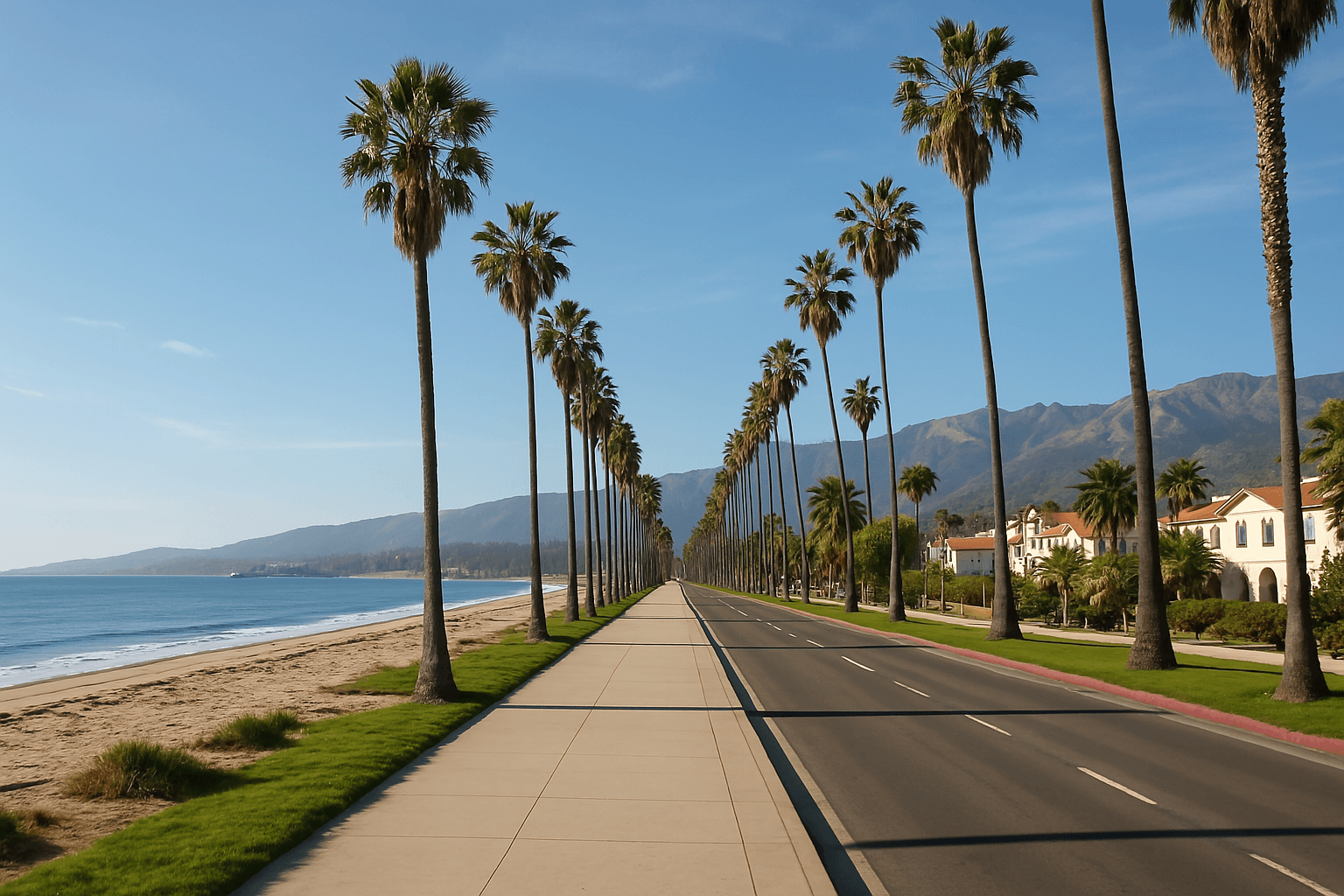
The Best Dive Sites in Santa Barbara
Santa Barbara sits at the intersection of cold northern waters and warmer southern currents, creating a unique mixing zone where species from both regions overlap. This transition zone, combined with nutrient-rich upwelling from the Santa Barbara Channel, supports some of California's healthiest kelp forests and most diverse marine ecosystems. Whether you're looking for easy shore dives with excellent facilities or dramatic offshore reefs, the American Riviera delivers.
Best time to dive: Fall (September–November) typically offers the best visibility as summer plankton blooms subside and before winter storms churn up the bottom. Spring can be excellent too, with calmer conditions between the winter swells and summer fog.
Pro tip: Check conditions on DiveLine's Santa Barbara page for real-time visibility and swell forecasts before heading out.
1. Naples Reef
- Difficulty: Intermediate
- Type: Boat dive
- Depth: 50-70 feet
- Visibility: Typically 30 feet
Naples Reef is the crown jewel of Santa Barbara diving. This offshore reef system rises dramatically from the sandy bottom, with pinnacles and ridges encrusted in strawberry anemones, colorful corynactis, and purple hydrocoral. The kelp canopy filters sunlight into golden shafts that dance across the reef – it's the kind of scene that makes underwater photographers forget about their air supply.
Large sheephead patrol their territories while schools of señoritas and blacksmith swirl around the pinnacles. Keep an eye toward the blue – yellowtail, white seabass, and leopard sharks cruise through during warmer months. The site's protected status as a State Marine Reserve means marine life is abundant and unafraid. Charter boats depart from Santa Barbara Harbor; book ahead for weekend trips.
2. Refugio State Beach
- Difficulty: Beginner
- Type: Shore dive (beach entry)
- Depth: 25-45 feet
- Visibility: Typically 15 feet
About 20 miles west of Santa Barbara, Refugio State Beach offers a sheltered crescent-shaped cove that's perfect for newer divers or when conditions are rough elsewhere. The bay provides natural protection from prevailing northwest swells, making it one of the more reliable shore dives on the Gaviota Coast.
Entry is straightforward from the sandy beach, with a short surface swim to scattered rocky reefs. Bright orange garibaldi stake out their territories on the reef, while bat rays glide over the sand and harbor seals occasionally cruise by to investigate. The state park has excellent facilities – restrooms, showers, and even camping if you want to make a weekend of it. Day-use parking is $10.
3. Stearns Wharf
- Difficulty: Beginner
- Type: Shore dive (pier diving)
- Depth: 20-35 feet
- Visibility: 7-20 feet
Want to dive right in downtown? Stearns Wharf offers pier diving directly under Santa Barbara's iconic 1872 landmark. Entry is from the beach east of the wharf. The wooden pilings have become an artificial reef over the decades, encrusted with anemones, sea stars, and clusters of mussels that attract rockfish, perch, and octopus.
This is a macro photographer's playground – nudibranchs are everywhere if you look carefully. Visibility is lower than offshore sites (especially after rain), so good buoyancy is essential to avoid stirring up the silty bottom. Watch for fishing lines descending from the pier above. Post-dive, you're steps from some of the best restaurants in Santa Barbara – hard to beat that convenience.
4. Goleta Beach
- Difficulty: Beginner
- Type: Shore dive (training site)
- Depth: 20-40 feet
- Visibility: Typically 10-15 feet
Goleta Beach is Santa Barbara's premier training site, with an easy sandy entry and gentle conditions most days. UCSB dive classes use this spot regularly, and local shops bring students here for checkout dives. The bottom is predominantly sand with scattered rocks and the pier structure providing points of interest.
Don't dismiss it as "just a training site" – patient divers find halibut hiding in the sand, pipefish among the eelgrass, and occasionally sea pens glowing at night. The Beachside Bar & Cafe at Goleta Beach Park is a local institution with solid fish tacos and cold beer after your dive. Free parking, restrooms, and showers make logistics easy. Avoid diving here for 72 hours after rain – runoff significantly impacts visibility.
5. Butterfly Beach
- Difficulty: Beginner
- Type: Shore dive (beach entry)
- Depth: 20-35 feet
- Visibility: Typically 15 feet
Tucked in the upscale Montecito neighborhood across from the Four Seasons, Butterfly Beach offers convenient diving with a mix of sandy bottom and rocky reef extending from both ends of the beach. It's one of the few Santa Barbara sites where you might spot a celebrity walking their dog while you're gearing up.
Underwater, you'll find sheephead, opaleye, and garibaldi on the reefs, with halibut and rays on the sandy patches. Lobster hunters frequent the rocky areas during season. Parking is limited to Channel Drive – arrive early on weekends. There are no facilities at the beach itself (no restrooms or showers), so plan accordingly. The beach is narrow at high tide.
6. Devereux Beach
- Difficulty: Intermediate
- Type: Shore dive (beach entry)
- Depth: 30-50 feet
- Visibility: Typically 7-20 feet
Near the UCSB campus, Devereux Beach offers more interesting terrain than nearby Goleta Beach, with better-developed rocky reefs and seasonal kelp forests. The tradeoff is slightly more challenging conditions – surf can pick up here, and the entry requires more awareness.
The reef structure supports healthy populations of sheephead, rockfish, and colorful nudibranchs. Sea lions from the nearby rookery occasionally pass through, giving you curious looks before moving on. This is a good "next step" site for divers who've mastered Goleta Beach and want something with more reef and marine life. Free parking is available, with restrooms and showers at the beach.
Planning Your Santa Barbara Dives
Santa Barbara diving requires planning around swell direction. Southern swells (common in summer from distant hurricanes) impact south-facing beaches like Goleta and Stearns Wharf. Northwest swells (dominant in winter) affect the entire coast but hit Refugio and the Gaviota beaches hardest. Water temperatures range from 52°F in winter to 65°F in late summer – a 7mm wetsuit or drysuit is standard year-round.
- Best visibility: September through November, often 30+ feet at offshore sites
- Thermal protection: 7mm wetsuit or drysuit recommended; hood and gloves in winter
- Kelp navigation: Carry a cutting tool and streamline your gear – kelp is thick here
- Boat diving: For Naples Reef and Channel Islands trips, book through Santa Barbara Harbor charters
- After rain: Wait 72 hours before shore diving – runoff kills visibility at all mainland sites
Santa Barbara is also the gateway to the Channel Islands – some of the best diving in California. If you have time, a day trip or overnight charter to Anacapa or Santa Cruz Island is well worth it. But even if you stick to the mainland, the sites above offer enough variety to keep you busy for multiple weekends of diving.
Ready to dive? Check current conditions for all Santa Barbara dive sites on DiveLine's Santa Barbara page – we show real-time visibility forecasts, swell, wind, and tide data so you can pick the right site for the day.