Best Dive Sites in Catalina Island, California: A Diver's Guide
California's premier island diving – from the beginner-friendly Casino Point to the legendary purple hydrocoral of Farnsworth Bank
DiveLine Team
2025-12-21
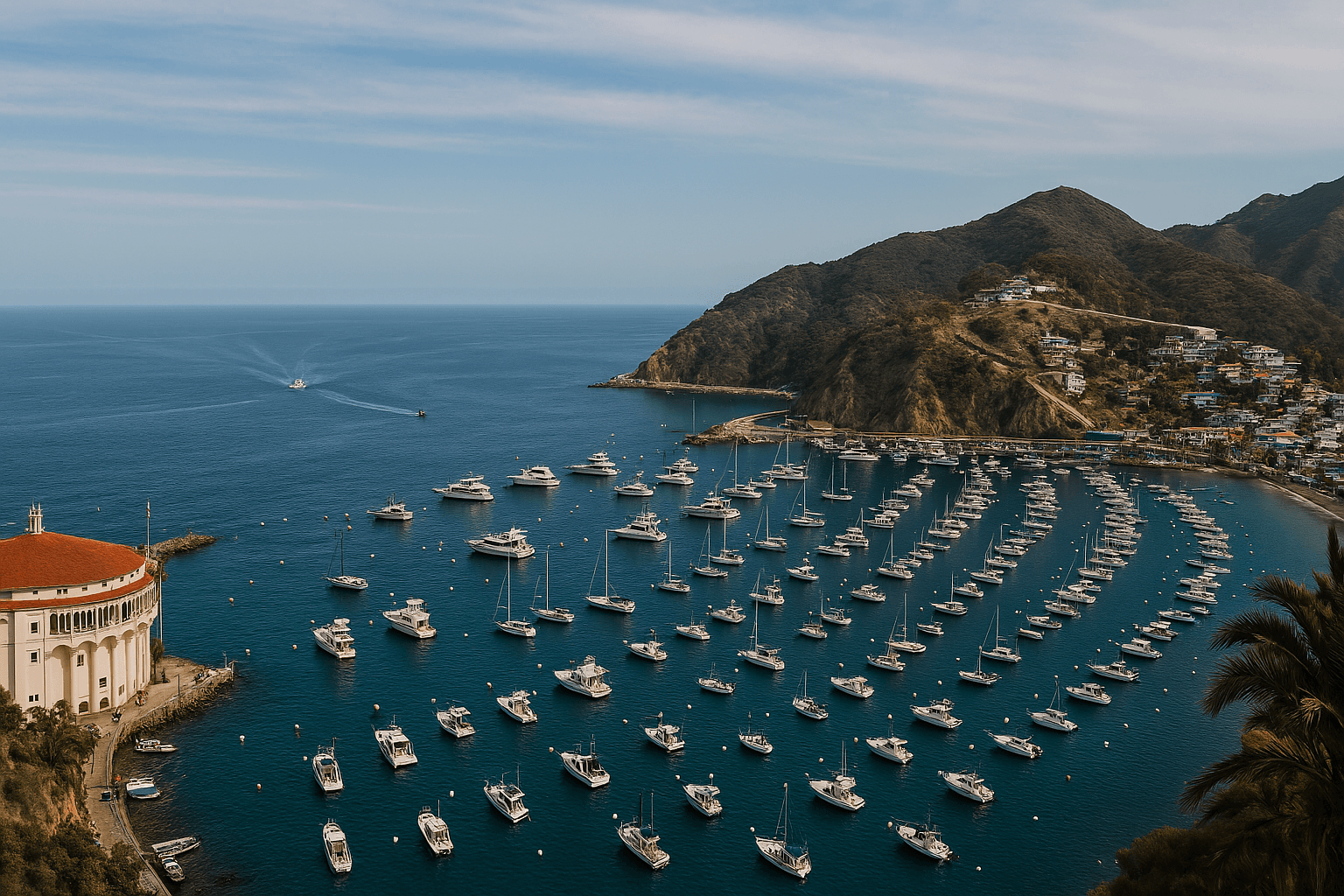
The Best Dive Sites in Catalina Island
Catalina Island feels like it belongs in the Caribbean, not 22 miles off the Los Angeles coast. The water is warmer, clearer, and bluer than the mainland, and the kelp forests are among the healthiest in California. Whether you ferry over for a day of shore diving at Casino Point or charter a boat to explore the legendary sites around the island's backside, Catalina delivers world-class diving.
Best time to dive: Year-round, but September through November offers peak visibility (40-80 feet) as summer plankton clears and before winter storms. Summer has the warmest water (65-70°F) and calmest conditions for boat diving.
Pro tip: Check conditions on DiveLine's Catalina Island page for real-time visibility, swell, and wind forecasts before planning your trip.
1. Casino Point Dive Park
- Difficulty: Beginner
- Type: Shore dive (stair entry)
- Depth: 30-90 feet
- Visibility: Typically 30-50 feet
Casino Point is California's first underwater park, established in 1962, and it remains one of the best shore dives in the state. Located at the base of Avalon's iconic round Casino building, the park features a stair entry into protected water, making it accessible to divers of all levels.
Descend into towering kelp forests where bright orange garibaldi – California's state marine fish – dart between the fronds. The park has both natural reef and artificial structures (including a sunken underwater scooter course) that concentrate marine life. Giant black sea bass, bat rays, and playful harbor seals are regular visitors. Gear rental is available steps away in Avalon if you don't want to haul your own over on the ferry.
2. Farnsworth Bank
- Difficulty: Advanced
- Type: Boat dive
- Depth: 60-140 feet
- Visibility: Typically 40-80 feet
Farnsworth Bank is the holy grail of West Coast diving. This offshore seamount, about 2 miles southeast of Catalina, rises from 140+ feet to within 60 feet of the surface. What makes it legendary: the largest concentration of purple hydrocoral (Stylaster californicus) in the world. These delicate branching corals cover the pinnacle in shades of purple and lavender – a sight found nowhere else.
This is an advanced dive: depths push recreational limits, currents can be strong, and surface conditions change quickly. But on a good day, visibility can exceed 80 feet, and you'll understand why divers travel from around the world to see it. Book with experienced operators who know when conditions are right – trips get canceled frequently, and that's a good thing. You want to dive Farnsworth when it's diveable, not just "schedulable."
3. Ship Rock
- Difficulty: Intermediate
- Type: Boat dive
- Depth: 15-130 feet
- Visibility: Typically 40-60 feet
Ship Rock is a dramatic underwater pinnacle near the Isthmus that rises from 130 feet to break the surface. The varied depth range means you can tailor your dive to your experience level – beginners can explore the kelp-covered shallows while advanced divers descend the impressive walls into deeper territory.
This is one of Catalina's best sites for big animal encounters. Giant black sea bass (the Volkswagen-sized grouper that was nearly hunted to extinction) have made a comeback and frequent the area. Yellowtail cruise past in summer, and California sea lions treat the pinnacle as a playground, swooping around divers with acrobatic flair. Currents can rip around the rock – listen to your boat captain's briefing.
4. Blue Cavern Point
- Difficulty: Intermediate
- Type: Boat dive
- Depth: 40-130 feet
- Visibility: Typically 40-60 feet
Blue Cavern Point sits within a State Marine Reserve near the USC Wrigley Marine Science Center on the island's northeast corner. The protected status (no fishing or collecting) has allowed marine life to explode – fish here are larger, more abundant, and remarkably unafraid of divers.
The namesake cavern is a large overhang at 40-80 feet that glows ethereal blue as sunlight filters through the water column – bring a wide-angle lens. The kelp forest is dense and healthy, and the walls drop steeply into deeper water. This is the site to visit if you want to see what Southern California's marine ecosystems looked like before decades of fishing pressure.
5. Italian Gardens
- Difficulty: Intermediate
- Type: Boat dive
- Depth: 20-90 feet
- Visibility: Typically 40 feet
Italian Gardens on Catalina's north side is named for its terraced underwater topography – a series of ridges and canyons that descend like garden steps. This site is more protected than the exposed back side of the island, making it a good choice when conditions are rough elsewhere.
The terraced terrain creates distinct zones at different depths, each with its own character. The kelp canopy shelters schools of blacksmith and señoritas, while rocky ledges hide lobster and octopus. It's an excellent multi-level dive site where you can spend extended bottom time exploring the shallower terraces on your way up.
6. Bird Rock
- Difficulty: Intermediate
- Type: Boat dive
- Depth: 30-100 feet
- Visibility: Typically 40 feet
Bird Rock is a reliable fallback when conditions preclude more exposed sites. Located near Two Harbors at the island's Isthmus, this small rocky island offers protection from multiple swell directions. When other sites are blown out, Bird Rock often remains diveable.
The kelp forest is healthy and extensive, and sea lions frequently join divers in the water – they seem to enjoy the bubbles. For divers staying at Two Harbors (Catalina's quieter alternative to Avalon), Bird Rock is an easy water taxi ride away. It's also one of the better lobster hunting grounds during season.
Planning Your Catalina Dives
Most divers reach Catalina via Catalina Express ferry from Long Beach, San Pedro, or Dana Point (about 1 hour crossing). Bring your own gear or rent in Avalon – several shops offer rentals and air fills. For boat dives, you can either book a day charter from the mainland that includes the crossing, or arrange with island-based operators once you arrive.
- Casino Point: The only shore dive – perfect for a day trip on the ferry
- Boat dives: Book mainland charters (Long Beach, San Pedro) for one-day or overnight trips
- Farnsworth: Trips often cancel for conditions – book with operators who won't push bad weather
- Thermal protection: 7mm wetsuit or drysuit recommended; water is colder than it looks
- Two Harbors: Quieter side of the island with great diving and camping
Catalina offers a remarkable diversity of diving experiences within a small area. You can spend a morning at Casino Point, catch an afternoon boat to Ship Rock, and still make the evening ferry home. Or stay overnight and explore sites that most Southern California divers only dream about.
Ready to dive? Check current conditions for all Catalina sites on DiveLine's Catalina Island page.