Best Dive Sites in Laguna Beach, California: A Diver's Guide
Discover Southern California's most pristine shore diving - from protected marine reserves to colorful reefs teeming with garibaldi
DiveLine Team
2025-12-01
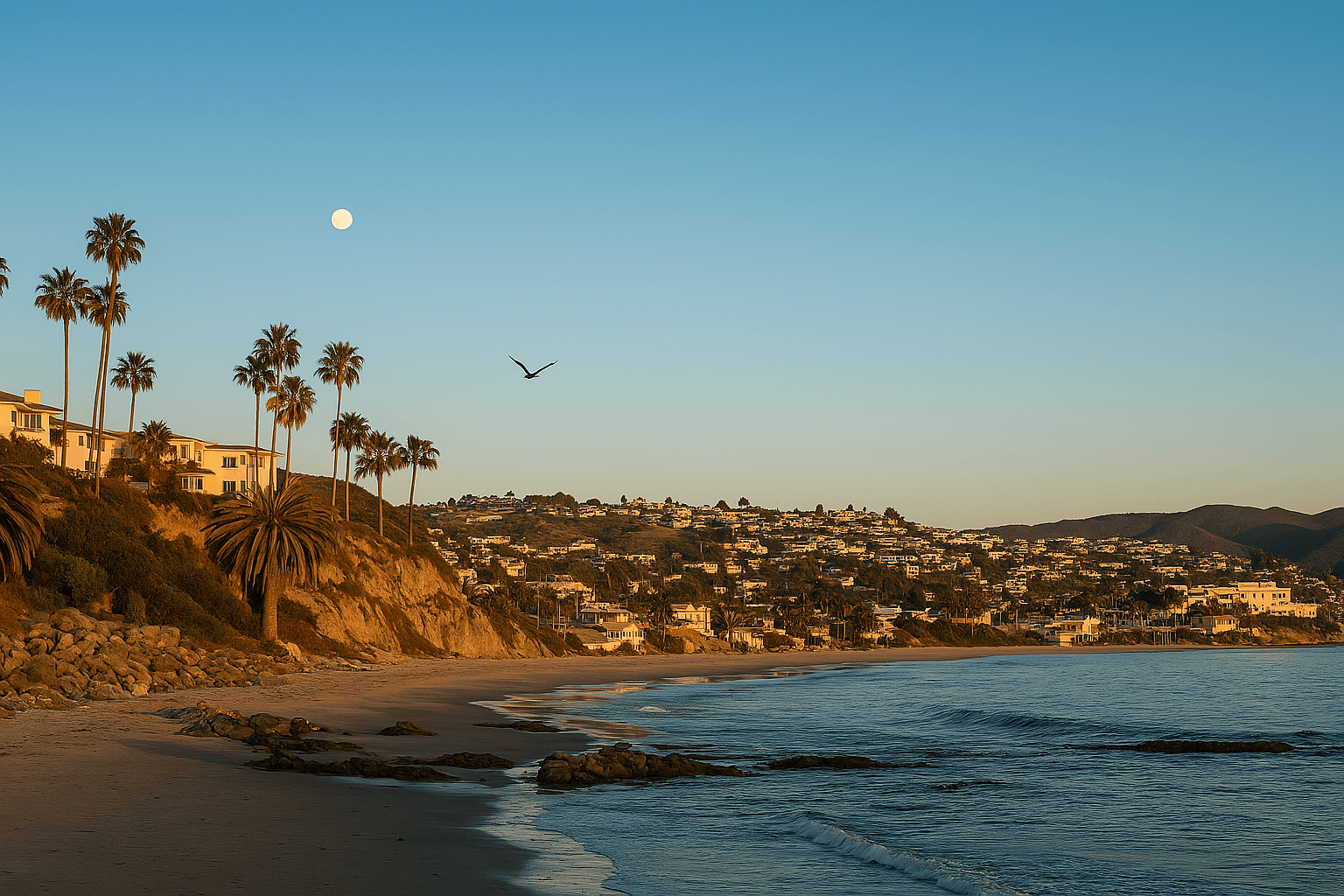
The Best Dive Sites in Laguna Beach
Laguna Beach offers some of Southern California's most pristine and accessible dive sites. With water temperatures ranging from 55-70°F depending on season, you'll want a 5-7mm wetsuit for year-round comfort. The area features numerous protected coves and beaches that provide easy entry points for shore divers. Thanks to its marine protected status, marine life here is abundant – colorful garibaldi, sea lions, and extensive kelp forests make every dive memorable. Throughout the area, divers commonly encounter lobsters, octopuses, moray eels, sheephead, kelp bass, and various rockfish. Sharks are also frequent visitors, with tope sharks, leopard sharks, and horn sharks commonly spotted in the sandy areas and around reef structures.
Pro tip: Before heading out, check current conditions on DiveLine's Laguna Beach page for real-time visibility, swell, and wind forecasts.
1. Shaw's Cove
- Difficulty: Beginner
- Type: Shore dive (beach entry)
- Depth: 20-50 feet
- Visibility: Typically 15 feet
Shaw's Cove is a protected marine area with rocky reefs and kelp forests – perfect for beginners and night dives. The cove offers relatively calm conditions and is known for its excellent macro life. Occasionally, divers can spot giant black sea bass in the reef crevices.
This site features numerous swim-throughs, crevices, and probably the most cave-like diving you can do in the Laguna Beach area. The reef is rich with intricate structures perfect for exploration. However, this is the site with the most dive classes, so it's often packed – especially on weekends. Be prepared for some steep stairs down to the beach with your gear, and arrive early as street parking fills up quickly.
2. Crescent Bay (Deadman's Reef)
- Difficulty: Beginner
- Type: Shore dive (beach entry)
- Depth: 20-40 feet
- Visibility: Typically 15 feet
Crescent Bay offers easy sandy entries and is known for playful sea lions that often swim with divers. Seal Rock (also known as Sea Lion Rock) and the area between Seal Rock and the main reef are popular dive spots. Occasionally, divers may encounter comb jellyfish in the area.
Further out from the main reef lies Deadman's Reef, which rises sharply from about 50 feet to 10-15 feet depending on the tide. This deeper reef offers excellent visibility but requires either a long surface kick or double tanks to reach safely. The stairs here are easier than Shaw's Cove, though there are more of them. Public restrooms are available on the south side of the bay.
3. Fisherman's Cove & Diver's Cove
- Difficulty: Beginner
- Type: Shore dive (beach entry)
- Depth: 25-45 feet
- Visibility: Typically 15 feet
Fisherman's Cove and Diver's Cove are essentially the same dive site, often done as one continuous dive. Many divers start at Fisherman's Cove and exit at Diver's Cove, exploring the diverse underwater scenery including rocky reefs, sandy patches, and kelp forests along the way. Both sites are within a Marine Life Protection Area with clear waters.
This is one of the most popular dive sites in Laguna Beach, so expect company on weekends. Access to Fisherman's Cove is via a staircase at the end of Cliff Drive, while Diver's Cove is located just before Heisler Park, which offers restrooms and showers. Metered parking is available along PCH if street spots are full.
4. Treasure Island
- Difficulty: Intermediate
- Type: Shore dive (beach entry)
- Depth: 30-60 feet
- Visibility: Typically 15 feet
Treasure Island offers beautiful underwater topography with rocky reefs and kelp forests. This intermediate site is perfect for divers looking to step up from the beginner-friendly coves. The site features interesting swim-throughs and overhangs created by large boulders.
Beach access is via a staircase next to the Montage Resort – it's a bit of a hike, so be prepared to carry your gear. Outdoor showers are available at the beach.
5. Brooks Street
- Difficulty: Intermediate
- Type: Shore dive (rocky entry)
- Depth: 30-60 feet
- Visibility: Typically 15 feet
Brooks Street is the most exposed dive site in Laguna Beach and is often not diveable due to surf conditions. However, when conditions are right, it offers a great reef with diverse underwater landscape including rocky reefs and kelp forests. This site is also a famous surf spot – if you see surfers in the water, it's most likely not a dive day.
Entry and exit can be extremely hazardous during high surf or low tide. Only attempt this site when conditions are very calm (almost flat) and you have experience with exposed shore diving. Beach access is via a steep staircase at the end of Brooks Street – be prepared for a strenuous climb with dive gear. Always check conditions carefully before attempting this dive, and consider it only when other protected sites are also calm.
Planning Your Laguna Beach Dives
Conditions in Laguna Beach can vary significantly based on swell and weather. Water temperatures range from 55-70°F depending on season, with summer and early fall typically offering the best visibility (10-30 feet). Check tide charts as some entries can be challenging during high surf or low tide.
DiveLine provides real-time forecasts for all Laguna Beach dive sites. Check our Laguna Beach dive sites page to see conditions before you go.
- Arrive early: Parking fills up fast, especially on weekends - street parking is limited
- Check conditions: Use DiveLine to see real-time forecasts before every dive
- Dress appropriately: Water temps range 55-70°F - a 5-7mm wetsuit is recommended year-round
- Plan for tides: Some entries can be challenging during high surf or low tide - check tide charts
- Respect the marine reserve: No collecting or touching marine life - these are protected areas
- Watch for surge: Even on calm days, surge can be powerful in narrow crevices and swim-throughs